Know Your Fertility: The Complete Guide to Fertility Testing for Men and Women


Knowledge is power — and when it comes to your fertility, understanding what's happening in your body is the first step toward making informed decisions. Whether you've been trying to conceive for a few months or a year, whether you're thinking ahead before you start trying, or whether you've had previous fertility challenges, fertility testing provides vital information that can guide your path forward.
The good news is that fertility testing has become more accessible, more sophisticated, and more informative than ever before. In Australia, both bulk-billed and private options are available, and a growing range of at-home tests can provide initial insights before you step foot in a clinic.
This guide covers everything you need to know about fertility testing for both men and women — what tests are available, when to consider them, how to interpret results, and what your options are if something unexpected is found.
Why Fertility Testing Matters
Many couples assume they'll conceive easily and are surprised when it doesn't happen as quickly as expected. Others have known risk factors that make proactive testing wise. Understanding your fertility picture — even before difficulties arise — can be empowering, not alarming.
According to the Australian Institute of Health and Welfare, approximately 1 in 6 couples in Australia experience difficulties conceiving. Fertility Australia reports that roughly 50% of cases involve male factor, 30–40% involve female factor, and 10–20% involve combined or unexplained factors. Yet male fertility is frequently overlooked in the initial investigation, with female partners often undergoing extensive testing before the male partner is evaluated.
Early testing provides several key advantages:
- Identifies correctable problems that can be addressed with lifestyle changes or treatment
- Reduces time spent trying with an undetected issue preventing conception
- Informs family planning timing decisions
- Provides reassurance when results are normal
- Allows treatment planning if intervention is needed
- Facilitates informed conversations with healthcare providers
The Australian Medical Association recommends that women under 35 who have been trying to conceive for 12 months without success see their GP about fertility assessment. Women over 35 should seek assessment after 6 months, and women over 40 should discuss fertility testing sooner, ideally before prolonged trying.
Female Fertility Testing: What Tests Are Available
Supporting Your Journey
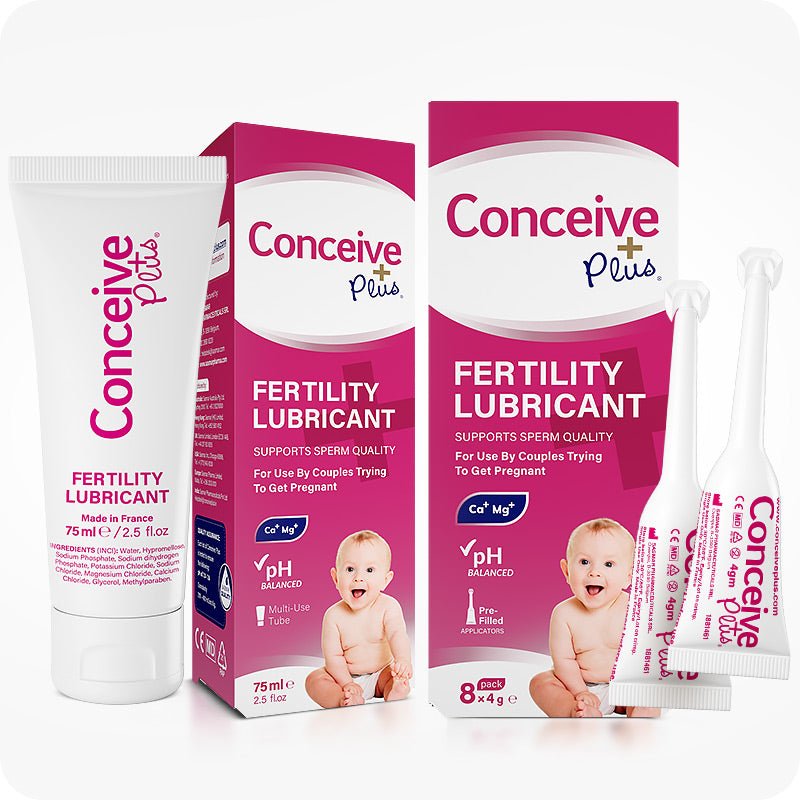
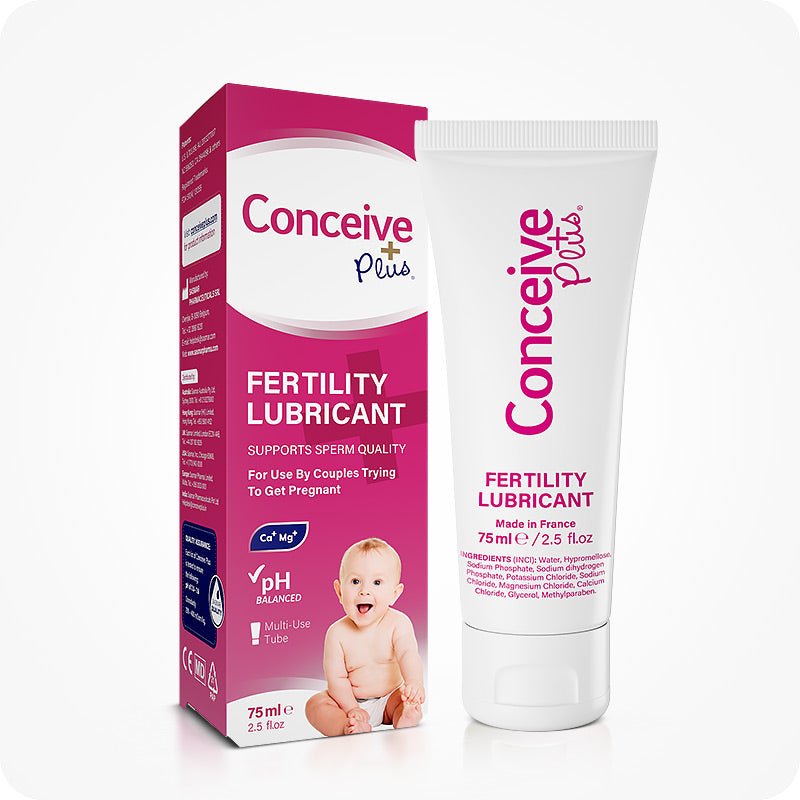
While you're optimising your fertility through testing and lifestyle changes, every opportunity to conceive counts. Conceive Plus Fertility Lubricant is clinically tested to be sperm-friendly, supporting natural conception by maintaining the ideal environment for sperm motility.
Explore Conceive Plus Fertility Lubricant →Female fertility testing covers multiple dimensions of reproductive health, from ovarian reserve to uterine structure to hormonal balance. Here's a comprehensive overview of the main tests available.
Anti-Müllerian Hormone (AMH): AMH is produced by the follicles in the ovaries and serves as one of the best available markers of ovarian reserve — the quantity of remaining eggs. Unlike most fertility hormones, AMH can be measured at any point in the cycle and remains relatively stable month to month. AMH levels decline with age, but there is significant variation between individuals of the same age. A low AMH for your age may indicate reduced ovarian reserve, potentially meaning fewer eggs remain. However, AMH doesn't measure egg quality, and women with low AMH can and do conceive.
Antral Follicle Count (AFC): An AFC is performed via transvaginal ultrasound during days 2–5 of the menstrual cycle. The sonographer counts the small "antral" follicles visible in both ovaries — these represent the pool of follicles that could respond in a given cycle. A higher AFC generally correlates with better ovarian reserve. AFC is typically interpreted alongside AMH for a fuller picture.
Follicle Stimulating Hormone (FSH) and Luteinising Hormone (LH): FSH is measured on day 2 or 3 of the cycle and provides information about how hard the pituitary gland is working to stimulate the ovaries. Elevated FSH can indicate reduced ovarian reserve. LH is involved in triggering ovulation and, alongside FSH, helps assess pituitary function and may identify conditions like PCOS.
Progesterone (Day 21 Test): A blood progesterone level measured around 7 days after ovulation (typically day 21 in a 28-day cycle) confirms whether ovulation occurred and whether the luteal phase is adequate. A progesterone level above 30 nmol/L is generally considered confirmatory of ovulation.
Thyroid Function Tests: Thyroid disorders are significantly associated with fertility problems and pregnancy complications. Both hypothyroidism and hyperthyroidism can disrupt ovulation and implantation. TSH is typically the first-line thyroid test. The Endocrine Society recommends that women with TSH above 2.5 mIU/L who are trying to conceive discuss treatment with their doctor.
Prolactin: Elevated prolactin can suppress ovulation and cause irregular cycles. Prolactin may be elevated due to a pituitary adenoma, certain medications, thyroid disorders, or stress. It is measured by blood test, ideally in a relaxed state.
Hysterosalpingography (HSG): An HSG is an X-ray procedure in which dye is injected through the cervix into the uterus and fallopian tubes. It evaluates both uterine cavity shape and tubal patency (whether the tubes are open). Blocked tubes prevent the egg and sperm from meeting, making this test crucial if no conception has occurred after 6–12 months. HSG is performed in a radiology clinic and is available with a referral from your GP or specialist.
Transvaginal Ultrasound: A thorough pelvic ultrasound assesses uterine structure (looking for fibroids, polyps, or abnormalities), ovarian morphology (including PCOS assessment), ovarian reserve (AFC), and can identify endometriosis-related changes such as endometriomas (chocolate cysts).
Hysteroscopy and Laparoscopy: More invasive investigations performed under anaesthesia. Hysteroscopy allows direct visualisation of the uterine cavity and can diagnose and treat polyps, fibroids, and adhesions. Laparoscopy allows direct visualisation of the pelvis, enabling diagnosis and treatment of endometriosis, adhesions, and tubal problems. These are typically recommended when less invasive testing has identified problems, or after initial treatments have failed.
Male Fertility Testing: What You Need to Know
Male fertility testing begins with semen analysis — the cornerstone investigation that evaluates multiple sperm parameters simultaneously. Despite its importance, semen analysis is frequently delayed or overlooked, leading to unnecessary and costly female-only investigations.
Semen Analysis: A standard semen analysis evaluates:
- Sperm concentration: Number of sperm per millilitre of semen. WHO 2021 reference value: ≥16 million/mL
- Total sperm count: WHO reference value: ≥39 million
- Motility: Percentage of sperm moving. Total motility ≥42%; progressive motility ≥30%
- Morphology: Percentage of normally shaped sperm. Reference value: ≥4% normal forms
- Volume: Amount of fluid. Reference value: ≥1.4 mL
Due to natural variability, at least two analyses performed at least 3 months apart are recommended for a reliable assessment.
Sperm DNA Fragmentation Testing: Standard semen analysis does not assess sperm DNA integrity. High levels of DNA damage can cause fertilisation failures, poor embryo development, recurrent miscarriage, and IVF failure — even when standard parameters appear normal. DNA fragmentation testing is increasingly recommended for couples with unexplained infertility, recurrent miscarriage, or repeated IVF failure.
Hormone Testing: Blood tests for FSH, LH, testosterone, and prolactin provide information about the hormonal axis controlling sperm production. Elevated FSH alongside low testosterone can indicate primary testicular failure.
Genetic Testing: In cases of very low or absent sperm, genetic testing may be recommended: karyotype (chromosomal structure), Y-chromosome microdeletion analysis, and CFTR mutation testing (associated with congenital absence of the vas deferens).
Testicular Ultrasound: Can identify varicoceles (dilated veins in the scrotum — the most common correctable cause of male infertility), structural abnormalities, or signs of obstruction.
Timing Your Tests for Accurate Results
Timing matters considerably for female hormone tests. Quick reference guide:
- Day 2–5: FSH, LH, oestradiol, AFC ultrasound
- Any day: AMH, prolactin, thyroid function, androgens
- Day 21 (or 7 days post-ovulation): Midluteal progesterone
- Day 5–10: HSG (after menstrual bleeding stops, before ovulation)
For semen analysis, the man should abstain from ejaculation for 2–5 days before the test, avoid alcohol for 72 hours prior, and avoid hot baths or saunas for several days prior.
Interpreting Your Results: What Do They Mean?
Receiving fertility test results can feel overwhelming, particularly if any values fall outside reference ranges. Context is everything — results should always be interpreted by a knowledgeable healthcare provider who can consider all values together, alongside your history and circumstances.
Important caveats about fertility test results:
- Reference ranges are population averages, not fertility cutoffs. Many people with "abnormal" values conceive naturally.
- A single test provides a snapshot; most parameters benefit from repeat testing.
- Results should be interpreted in the context of your full clinical picture.
- AMH and AFC predict response to ovarian stimulation but are imperfect predictors of natural conception.
When Should You See a Fertility Specialist?
Knowing when to step up from GP-level investigation to a fertility specialist is an important decision. General guidance:
- Under 35: See a GP after 12 months of trying; consider specialist referral if initial tests are abnormal
- 35–39: See a GP after 6 months of trying; specialist referral after initial GP investigations
- 40 and over: Discuss fertility assessment proactively; specialist referral within 6 months of trying
- Any age: Immediately if there are known risk factors — irregular or absent periods, previous pelvic surgery, previous STIs, known endometriosis, known PCOS, male partner with prior fertility issues
In Australia, IVF clinics and reproductive endocrinologists are available in all major cities. Many also offer telehealth services for those in regional areas. A GP referral is required to see a specialist and to access Medicare rebates for fertility investigations and treatment.
At-Home Fertility Testing Options
The market for at-home fertility testing has expanded significantly in recent years. While these tests don't replace clinical investigation, they can provide useful initial insights.
At-home ovulation predictor kits (OPKs): Detect the LH surge before ovulation. Digital versions (such as Clearblue Advanced) also track oestrogen, giving a broader fertile window. These are well-validated and widely available.
At-home AMH tests: Finger-prick blood tests sent to a laboratory for AMH analysis. Quality varies — look for NATA-accredited laboratories. These provide a useful starting point but should be followed up with a clinician if results are concerning.
At-home semen analysis: Devices like YO Home Sperm Test can assess sperm concentration and motility via a smartphone. These are useful screening tools but are less comprehensive than full clinical semen analysis.
Frequently Asked Questions About Fertility Testing
Q: I'm only 28. Should I be thinking about fertility testing?
A: Proactive fertility awareness is increasingly popular and reasonable, especially if you have risk factors (irregular periods, family history of early menopause, previous pelvic surgery, PCOS diagnosis). An AMH test provides a useful baseline. However, most 28-year-olds with regular cycles and no risk factors don't require immediate testing.
Q: Is fertility testing covered by Medicare in Australia?
A: Many fertility investigations are partially or fully covered by Medicare with a GP referral and appropriate clinical indication. AMH, FSH, LH, progesterone, prolactin, thyroid function, and semen analysis all have Medicare item numbers. HSG and specialist consultations also have rebates. It's worth asking your GP about Medicare coverage before testing.
Q: My semen analysis showed 3% morphology. Does this mean I can't have children?
A: No. Morphology is one parameter among many, and even the WHO's "normal" reference value (4% using strict Kruger criteria) already represents the lower end of fertile men. 3% is close to that threshold, and many men with low morphology conceive naturally. Results should be interpreted alongside concentration, motility, and total count, and discussed with a specialist.
Q: My AMH is low for my age. What does this mean for my fertility?
A: A low AMH indicates reduced ovarian reserve — fewer eggs remaining than average for your age. This doesn't mean you can't conceive naturally; it may simply mean your fertile window is shorter. Many women with low AMH conceive naturally and with treatment. It does suggest that time may be more pressing, and if you're planning to delay pregnancy significantly, fertility preservation (egg freezing) is worth discussing with a specialist.
Q: I've had normal test results but still can't conceive. Why?
A: Normal test results are reassuring but don't guarantee swift conception — they indicate that common detectable causes have been excluded, not that everything is definitively fine. Some causes of infertility aren't detectable by standard tests (including sperm DNA fragmentation, subtle endometriosis, and embryo quality issues). If you've had normal results and still aren't conceiving after the recommended timeframes, seeing a fertility specialist for a comprehensive evaluation is appropriate.
Q: Does having one fallopian tube affect my fertility?
A: Having one functioning fallopian tube reduces (but doesn't eliminate) your monthly probability of natural conception. The ovary on the side of the missing or blocked tube can still release eggs, which can travel across the pelvis to the remaining tube. Many women with one tube conceive naturally.
Q: How often should sperm be retested?
A: Sperm production takes approximately 72–74 days. Retesting is typically recommended 3 months after any intervention or after making significant lifestyle changes.
Q: How accurate are at-home fertility tests?
A: Quality varies significantly. At-home OPKs for ovulation detection are well-validated and reliable. At-home AMH tests are reasonably accurate but may have slightly more variability than venous blood samples. At-home sperm tests are useful for screening but less comprehensive than clinical analysis. Use them as starting points, not definitive answers.
Fertility testing is not a judgment — it's information. And information, however it comes, allows you to make empowered choices about your path to parenthood. Whether your results are reassuring, concerning, or somewhere in between, knowing where you stand is always better than not knowing.
Supporting Your Journey
While you're optimising your fertility through testing and lifestyle changes, every opportunity to conceive counts. Conceive Plus Fertility Lubricant is clinically tested to be sperm-friendly, supporting natural conception by maintaining the ideal environment for sperm motility.
Explore Conceive Plus Fertility Lubricant →