Timing Intercourse for Conception: The Complete 2026 Guide to Your Fertile Window


Timing is everything when it comes to conception. Every month, there's a narrow window of opportunity during which pregnancy can occur, and understanding exactly when that window opens — and how to maximise your chances during it — is one of the most important things couples can do when trying to conceive. The good news is that science has given us powerful tools to identify and track the fertile window with remarkable accuracy.
This comprehensive guide covers everything you need to know about timing intercourse for conception: the biology of the fertile window, how to track ovulation using multiple methods, what the research says about optimal intercourse frequency, and how to approach the process in a way that's both effective and emotionally sustainable. Whether you've just started trying to conceive or have been on this journey for a while, understanding your fertile window is fundamental to optimising your chances each cycle.
The Biology of Conception: Why Timing Matters So Much
To understand why timing matters so profoundly, it helps to understand the biological reality of egg and sperm viability. Each month, typically one mature egg is released from the ovary during ovulation. This egg is viable — capable of being fertilised — for only 12 to 24 hours after release. That's a remarkably short window of opportunity for the egg itself.
Sperm, however, are more resilient. In the right conditions — namely, the fertile cervical mucus produced in the days before ovulation — sperm can survive in the female reproductive tract for up to 5 days, with some research suggesting up to 6 days in optimal conditions. This is why the fertile window extends beyond the day of ovulation itself; sperm deposited days before ovulation can survive and wait for the egg to be released.
Putting these two factors together, the theoretical fertile window spans the 5 days before ovulation plus the day of ovulation itself — approximately 6 days per cycle. However, research has shown that the probability of conception varies significantly across this window. A landmark study by Wilcox et al. published in the New England Journal of Medicine found that the highest probability of conception occurred when intercourse took place in the 2 days before ovulation. The probability was substantially lower on the day of ovulation itself, and very low on the days beyond ovulation.
This has important practical implications: to maximise your chances of conception, you want to have sperm waiting in the reproductive tract when ovulation occurs, not scrambling to catch up after the fact. This means timing intercourse to the days leading up to ovulation, not just the day of.
Understanding Your Menstrual Cycle and When Ovulation Occurs
Ovulation doesn't occur at the same time for everyone, and even in the same woman, it can vary from cycle to cycle. The common assumption that ovulation occurs on day 14 of a 28-day cycle is a statistical average that applies to only a minority of women. Understanding your personal cycle is far more valuable than following a textbook model.
The luteal phase: The phase between ovulation and the next period (the luteal phase) is relatively constant at 12-16 days in most women. This means that if you have a 28-day cycle, ovulation typically occurs around day 12-16. If you have a 24-day cycle, ovulation likely occurs around day 8-12. If you have a 35-day cycle, ovulation may not occur until day 19-23. Knowing your typical cycle length allows you to estimate when ovulation might occur.
Cycle variability: Many women have cycles that vary by several days from month to month. Illness, stress, travel, significant weight changes, and other factors can shift ovulation timing even in women with otherwise regular cycles. This is why tracking over multiple cycles gives a clearer picture than relying on a single cycle's data.
Irregular cycles: Women with significantly irregular cycles — those varying by more than 7-9 days — face particular challenges in predicting ovulation from calendar observations alone. In these cases, objective tracking methods (LH testing, basal body temperature) become even more important.
Methods for Tracking Ovulation: A Practical Guide
Several evidence-based methods exist for identifying your fertile window. The most effective approach for many women is to combine two or more methods to increase accuracy and confidence.
Ovulation Predictor Kits (OPKs): These at-home urine tests detect the surge in luteinising hormone (LH) that occurs approximately 24-36 hours before ovulation. Standard OPKs give a positive result when LH reaches a certain threshold. Digital OPKs also detect estrogen levels, giving a broader window of high and peak fertility days. LH testing is one of the most reliable and accessible methods for identifying the fertile window, but it's important to know that detecting the LH surge tells you ovulation is imminent — not that it has occurred.
Basal Body Temperature (BBT) tracking: Your resting body temperature drops slightly just before ovulation and rises by approximately 0.2-0.4°C (0.3-0.7°F) after ovulation, due to the thermogenic effect of progesterone. By tracking your temperature every morning before getting out of bed, you can identify this pattern over time. The limitation is that BBT confirms ovulation has already occurred, rather than predicting it — making it most useful when combined with other methods to identify your personal pattern across cycles.
Cervical mucus monitoring: Cervical secretions change throughout the cycle in response to oestrogen. As ovulation approaches, cervical mucus transitions from dry or sticky (early cycle) to wet, clear, and stretchy — often described as resembling raw egg white. This "egg white cervical mucus" (EWCM) signals peak fertility and typically appears 1-3 days before ovulation. Learning to recognise these changes is a highly valuable fertility awareness skill that costs nothing and provides daily information about where you are in your cycle.
Fertility monitors: Advanced fertility monitors track multiple hormones (LH and estrogen, and some also track progesterone) using urine test strips, providing a comprehensive picture of the fertile window. While more expensive than basic OPKs, they offer greater accuracy and are particularly useful for women with irregular cycles or those who want maximum confidence in their timing.
Support Your Fertile Window
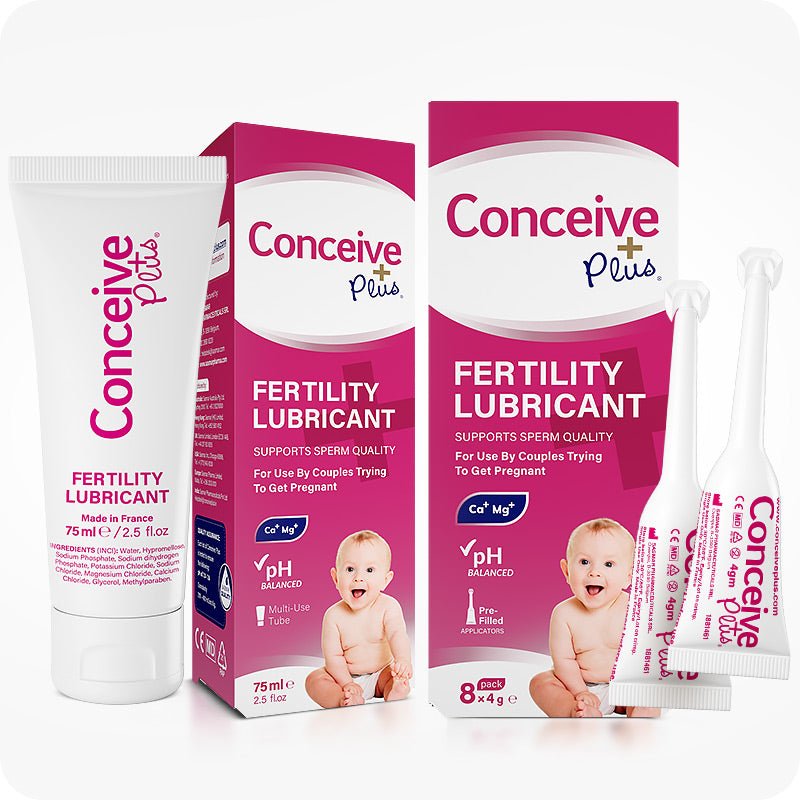
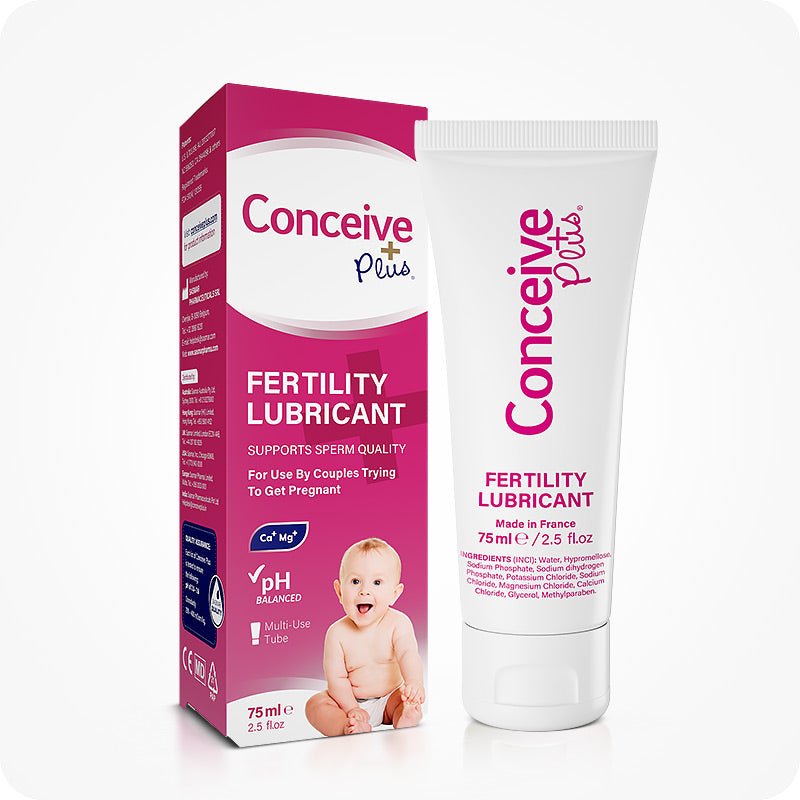
Conceive Plus Fertility-Friendly Lubricant is specially formulated to support sperm survival and motility during your fertile window. Unlike conventional lubricants that can harm sperm, Conceive Plus is pH-balanced and isotonic — clinically tested to be compatible with sperm, eggs, and embryos.
Optimal Intercourse Timing and Frequency
Understanding your fertile window is the first step; optimising how you approach intercourse within that window is the next. Research provides clear guidance on both timing and frequency.
When to have sex for the best chances: Given that the egg survives only 12-24 hours, and that conception probability peaks in the 1-2 days before ovulation, having intercourse in the days before ovulation is critical. The ideal approach is to begin having sex as soon as you identify fertile cervical mucus or see the LH surge on an OPK, and continue every 1-2 days through the day of confirmed ovulation.
Every day vs. every other day: Research indicates that having sex every day during the fertile window versus every other day produces similar pregnancy rates for most couples. A large study published in Fertility and Sterility found no significant difference in conception rates between daily and alternate-day intercourse during the fertile window. For men with normal semen parameters, daily sex during the fertile window is perfectly acceptable. For men with borderline sperm parameters, every-other-day intercourse may maintain better sperm quality per ejaculation, though total motile sperm across the window may be similar.
Pre-fertile window intercourse: Some research suggests that regular intercourse throughout the cycle (not just during the fertile window) may have benefits beyond the probability of conception for any given cycle. Regular exposure to semen components has been associated in some studies with improved uterine receptivity, though this research is still evolving. At minimum, regular intercourse maintains the health of the relationship and avoids the pressure of treating sex purely as a conception-timed exercise.
After ovulation: Once ovulation has confirmed via a temperature shift, the window for that cycle has closed. The egg is no longer viable. Having sex after confirmed ovulation in the same cycle will not result in conception from that ovulation event. Save your energy for the next fertile window — or simply enjoy the luteal phase without conception-focused pressure.
Fertility-Friendly Practices During the Fertile Window
Several practical factors can influence your chances during the fertile window beyond simply when you have sex. Attention to these details can meaningfully optimise outcomes.
Lubricant selection: Many couples use lubricants during sex, but most conventional lubricants — water-based, silicone-based, or oil-based — can be toxic to sperm. Studies have shown that common lubricants like K-Y Jelly, Astroglide, and even olive oil can significantly reduce sperm motility within minutes of contact. If you use a lubricant during your fertile window, choose one specifically formulated to be sperm-compatible, like Conceive Plus Fertility-Friendly Lubricant, which is pH-balanced and osmotically appropriate for sperm survival.
Post-sex behaviour: While the science doesn't support specific positions or elevated hip tricks as fertility enhancers, some common habits may be counterproductive. Douching or washing the vagina immediately after sex can remove the cervical environment that supports sperm. There's no need to do anything special after sex, but avoiding practices that might disrupt the natural environment is sensible.
Male preparation during the fertile window: For men, the 2-5 days before the fertile window may benefit from avoiding ejaculation to maximise sperm count (though this has diminishing returns beyond 5 days). Avoiding hot baths, saunas, and laptops on laps in the 72 hours before your fertile window may help maintain optimal scrotal temperature for sperm motility.
Stress management: Acute stress during the fertile window — from whatever source — can trigger physiological responses that may delay or suppress ovulation in susceptible women. While this effect is not consistent across all women, making the fertile window period a relatively relaxed time can only be beneficial. This might mean planning the fertile window around less stressful periods if possible.
When Timing Alone Isn't Enough: Recognising When to Seek Support
Perfect timing is necessary but not always sufficient for conception. Understanding the limits of timing optimisation helps couples know when to seek additional support.
Baseline conception probabilities: Even with perfect timing, a healthy couple under 35 has approximately a 20-25% chance of conception per cycle. This means that even doing everything right, the majority of cycles won't result in pregnancy. Cumulative conception rates are much more reassuring: approximately 84% of couples will conceive within 12 months of regular unprotected sex with well-timed intercourse.
When to evaluate: According to the Fertility Society of Australia, couples who haven't conceived after 12 months of regular, well-timed intercourse should seek evaluation (6 months if the woman is over 35). Early evaluation is always an option and doesn't necessarily mean anything is wrong — it's simply gathering information.
Red flags worth earlier evaluation: Certain signs warrant earlier evaluation regardless of how long you've been trying: very irregular or absent periods, known reproductive conditions (endometriosis, PCOS, fibroids), history of pelvic infection, previous cancer treatment, previous fertility challenges, or known male factor concerns.
Nutrition and Supplementation to Support Your Fertile Window
Timing intercourse correctly is the foundation of conception optimisation, but supporting your body's reproductive function through nutrition and supplementation maximises the quality of eggs and sperm during that window.
Folate/folic acid: The recommendation to take folic acid before conception is one of the most strongly evidence-based in reproductive medicine. Folate supports proper neural tube development and is involved in DNA synthesis. Current Australian guidelines recommend 400-500mcg of folic acid daily for at least one month (ideally three months) before conception.
Antioxidants for egg quality: Eggs (oocytes) are particularly vulnerable to oxidative stress. Nutrients including CoQ10, vitamin C, vitamin E, and selenium help protect egg quality. CoQ10 supplementation has received particular attention in recent years — as a key cofactor in mitochondrial energy production, it supports the metabolic demands of egg maturation. Research has shown improved egg quality and outcomes with CoQ10 supplementation in women of advanced reproductive age.
Omega-3 fatty acids: DHA and EPA are important for overall reproductive health, embryo implantation, and fetal development. Australian dietary surveys consistently show that most women don't consume adequate omega-3. Supplementation with an algae-based or fish-based omega-3 supplement is worth considering alongside a balanced diet.
A comprehensive preconception supplement from a quality brand like Conceive Plus covers these bases and more, ensuring you enter each fertile window with your nutritional foundations in place.
Emotional Wellbeing and the Fertile Window
Timing-focused intercourse can take a toll on the spontaneity and enjoyment of a couple's sex life, and this emotional dimension is important to acknowledge and address.
When every cycle becomes a cycle of tracking, timing, waiting, and potentially disappointment, the pressure can strain relationships and individual mental health. Research has shown that fertility-related stress is comparable to the stress of serious illness, and that this stress itself can have biological effects on reproductive outcomes.
Practical strategies for maintaining emotional health during the conception journey include: keeping communication open with your partner about feelings and expectations, maintaining social connections and activities you enjoy outside of the conception focus, limiting the amount of time spent on fertility-focused forums or content (a valuable source of support but also a potential source of anxiety), and considering professional support — counselling or psychology — if the emotional weight becomes significant.
Remember that the fertile window is six days per month, leaving 22-25 other days where sex can simply be an expression of your relationship, unconnected to conception goals. Protecting that space is important for relationship resilience through what can be a demanding journey.
Make Every Fertile Window Count
Conceive Plus Fertility-Friendly Lubricant supports natural conception by providing a sperm-compatible environment. Clinically tested and formulated with the optimal pH and osmolality to support sperm survival, motility, and your natural fertile window.
Frequently Asked Questions About Timing Intercourse for Conception
How many days before ovulation is it best to have sex?
Research shows the highest conception probability with intercourse 1-2 days before ovulation, though the entire 5 days before ovulation represent viable conception timing. Since sperm can survive up to 5 days in fertile cervical mucus, having sex from the time you notice fertile mucus or a positive OPK ensures sperm are present when the egg is released.
Can I get pregnant if I only have sex on the day of ovulation?
Yes, but the probability is lower than having sex in the 1-2 days before ovulation. Research by Wilcox et al. found conception probability was approximately 33% on the day of ovulation compared to 31% two days before and 27% one day before. The window isn't dramatically different, but the day of ovulation alone gives you the smallest theoretical window given the 12-24 hour viability of the egg.
What does fertile cervical mucus look like?
Fertile cervical mucus is clear to cloudy white, wet, and stretchy — often described as resembling raw egg white. When you pinch it between your fingers, it stretches without breaking. This type of mucus creates a sperm-friendly environment and can be distinguished from the thicker, creamier, or dry sensations typical of non-fertile phases.
Should I use an OPK or BBT tracking, or both?
Using both methods together provides the most complete picture. OPKs predict ovulation 24-36 hours in advance, allowing you to time intercourse proactively. BBT tracking confirms that ovulation occurred, helping you identify your personal cycle pattern over time. Together, they provide both prediction and confirmation, significantly reducing uncertainty about timing.
Can ovulation be delayed by stress?
Yes, significant psychological or physiological stress can delay ovulation in susceptible women. The hypothalamic-pituitary-ovarian axis is sensitive to stress signals — elevated cortisol can suppress GnRH pulsatility, delaying or even preventing ovulation in a given cycle. This is one reason why illness, intense exercise periods, or major life events can cause cycle irregularities.
Is there a time of day that's best for intercourse when TTC?
Research on optimal time of day for intercourse and conception outcomes is limited and inconclusive. Some small studies have suggested morning sex aligns with morning LH peaks detected by OPKs, but no strong clinical evidence recommends a specific time of day for intercourse. The most important factor is timing relative to ovulation, not the time of day.
How many cycles should we try before worrying?
For women under 35 with no known fertility issues, trying for up to 12 months before seeking evaluation is typical guidance from the Fertility Society of Australia. Given that monthly conception probability is 20-25% even with optimal timing, many couples will take 6-10 cycles to conceive. If you're over 35, evaluation after 6 months is appropriate, and for women over 40, earlier evaluation is recommended.
Does the length of sex affect pregnancy chances?
No scientific evidence supports a relationship between the duration of intercourse and conception probability. What matters is that ejaculation occurs and that sperm are deposited in the vagina near the cervix at the right time in the cycle. The mechanics of conception are driven by sperm quality and ovulation timing, not intercourse duration.
Can I use any lubricant during the fertile window?
No — most conventional lubricants have been shown to reduce sperm motility significantly within minutes of contact. If you need lubrication during your fertile window, use a product specifically formulated to be sperm-compatible, like Conceive Plus Fertility-Friendly Lubricant. Alternatively, natural methods to enhance comfort include ensuring adequate arousal, which naturally increases vaginal lubrication.
Does having an orgasm help with conception?
The "upsuck" theory — that uterine contractions during female orgasm help propel sperm toward the egg — has not been convincingly supported in clinical research. Conception occurs frequently without female orgasm. There's no evidence that prioritising or faking orgasm during the fertile window improves pregnancy rates. Mutual enjoyment and relaxation are more important goals for the experience.