Male Fertility and Sperm Health: Everything Australian Men Need to Know


Male Fertility and Sperm Health: Everything Australian Men Need to Know
Male fertility is a topic that rarely gets the attention it deserves. When couples experience difficulty conceiving, the focus often defaults to female reproductive health — despite the fact that male factor infertility contributes to approximately 40–50% of all cases, according to data from the Australian Government's Department of Health and the Therapeutic Goods Administration (TGA)-registered fertility specialists across the country.
In Australia, research from the University of Queensland and Monash University has helped advance our understanding of sperm health and male reproductive medicine. Yet many Australian men remain unaware of how significantly lifestyle factors, environmental exposures, and nutritional status can affect their sperm quality — and what they can do about it.
This guide covers everything Australian men need to know about sperm health: what sperm parameters matter, what affects them, how to improve them, and when to seek medical assessment.
Understanding Male Fertility: The Basics
Male fertility is fundamentally about sperm — their quantity, quality, and ability to reach and fertilise an egg. A standard semen analysis, the primary diagnostic tool for male fertility assessment, evaluates several key parameters:
Sperm Count (Concentration): The number of sperm per millilitre of semen. The World Health Organization (WHO) defines a normal sperm concentration as ≥16 million per millilitre (updated reference values from the 2021 WHO 6th Edition). Low sperm count (oligospermia) is defined as below this threshold; azoospermia is the complete absence of sperm.
Total Sperm Count: The total number of sperm in the ejaculate. WHO reference: ≥39 million total motile sperm per ejaculate.
Motility: The percentage of sperm that are moving. This is divided into progressive motility (sperm moving forward in a straight or large circle) and total motility. WHO reference: ≥42% total motility, ≥30% progressive motility.
Morphology: The percentage of sperm with normal shape. Using strict Kruger criteria (Tygerberg method), WHO reference is ≥4% normal forms. Sperm shape affects the ability to penetrate the egg.
Volume: The total volume of the ejaculate. Normal is ≥1.4 ml. Very low volume may indicate retrograde ejaculation or ejaculatory duct obstruction.
pH and Vitality: pH should be ≥7.2. Vitality (the percentage of live sperm) should be ≥54%.
It's important to understand that these are reference values — not pass/fail thresholds. Fertility is influenced by the combination of all parameters and the health of the female partner. Men with borderline results in one parameter may still conceive naturally; men with results in the normal range may still have fertility issues related to sperm DNA fragmentation or other factors not captured by standard semen analysis.
Key Factors That Affect Sperm Health
Recommended by Fertility Experts
Conceive Plus Men's Fertility Support
Supporting male fertility with key nutrients including zinc, selenium and CoQ10 — formulated specifically for men on the conception journey.
Shop Now →Sperm are remarkably sensitive to internal and external conditions. The good news is that many of the factors that damage sperm are modifiable. Here are the most significant:
Heat Exposure: Sperm production (spermatogenesis) requires a temperature approximately 2–4°C below core body temperature — which is why the testes are located outside the body in the scrotum. Prolonged heat exposure from laptops on the lap, hot baths, saunas, and tight underwear can raise scrotal temperature and impair sperm production. Research from the University of California found that even moderate, sustained heat exposure reduced sperm count and motility in healthy volunteers.
Oxidative Stress: Reactive oxygen species (ROS) — unstable molecules produced by the body's metabolism and amplified by lifestyle factors like smoking and poor diet — can damage sperm DNA, membranes, and mitochondria. Sperm have very limited antioxidant defence mechanisms compared to other cell types, making them particularly vulnerable. Studies suggest that oxidative stress is implicated in 30–80% of male infertility cases.
Age: Unlike women, men produce new sperm continuously throughout their lives. However, sperm quality — particularly DNA integrity and morphology — declines with age. A 2017 study in Maturitas found significant increases in sperm DNA fragmentation and morphological abnormalities in men over 40 compared to younger men.
Body Weight: Obesity is associated with hormonal imbalances (lower testosterone, higher oestrogen), impaired spermatogenesis, and higher scrotal temperatures due to fat deposits in the groin. A meta-analysis of 30 studies found that obese men had significantly higher rates of oligospermia and azoospermia than men with healthy BMIs.
Alcohol Consumption: Regular alcohol intake — even at moderate levels — has been associated with reduced sperm count, motility, and morphology. Australian dietary guidelines recommend limiting alcohol to no more than 10 standard drinks per week, but for men trying to conceive, further reduction is advisable.
Smoking: Tobacco smoke contains multiple toxins that damage sperm DNA, reduce motility, and lower count. Research from the Menzies Institute for Medical Research found Australian male smokers had 22% lower sperm motility than non-smokers.
Stress: Chronic psychological stress elevates cortisol, which can suppress gonadotropin-releasing hormone (GnRH), disrupting the hormonal cascade that drives spermatogenesis. A landmark study in Fertility and Sterility found that men who experienced two or more stressful life events in the prior year had reduced sperm concentrations and morphology scores.
Diet and Lifestyle Changes to Boost Sperm Quality
The evidence supporting dietary and lifestyle modifications for male fertility is substantial. Here are the most impactful changes Australian men can make:
Adopt a Mediterranean-Style Diet: Multiple prospective studies have found that adherence to a Mediterranean diet — rich in vegetables, fruits, legumes, whole grains, fish, and olive oil — is associated with significantly better sperm quality. A Greek study found men eating a traditional Mediterranean diet had 40% higher total sperm count and 27% higher motility compared to low-adherence peers.
Prioritise Antioxidant-Rich Foods: Berries, tomatoes, leafy greens, walnuts, and dark chocolate are rich in antioxidants including vitamin C, vitamin E, lycopene, and selenium. These compounds neutralise the free radicals that cause sperm DNA damage.
Include Zinc-Rich Foods: Zinc is essential for testosterone production and sperm formation. Australian men get zinc from lean red meat (Australia produces excellent quality zinc-rich beef and lamb), pumpkin seeds, oysters, and legumes. A deficiency in zinc is associated with reduced sperm count and testosterone levels.
Exercise Regularly — But Not Excessively: Moderate aerobic exercise and resistance training improve testosterone levels and sperm quality. However, excessive endurance training (such as marathon training) can temporarily suppress testosterone and reduce sperm parameters. Aim for 150 minutes of moderate activity per week as per Australian Physical Activity Guidelines.
Maintain a Healthy Weight: Even modest weight loss in overweight men has been shown to improve testosterone levels and sperm parameters. A 5–10% reduction in body weight can produce meaningful hormonal improvements.
Limit Alcohol: If trying to conceive, the Australian recommendation is to reduce alcohol intake significantly, ideally to no more than 2–4 standard drinks per week or abstaining entirely during the conception period.
Quit Smoking: The Quitline (13 7848) and the My QuitBuddy app are free Australian resources to support smoking cessation. Sperm parameters typically begin to improve within 3 months of quitting.
Reduce Scrotal Heat: Switch to loose-fitting underwear (boxers rather than briefs), avoid keeping a laptop directly on your lap, and limit hot tub and sauna use to once per week maximum when actively trying to conceive.
Medical Testing for Male Fertility in Australia
If you've been trying to conceive for 12 months without success (6 months if your partner is over 35), or if you have known risk factors for male infertility, it's time to seek a medical assessment.
In Australia, the pathway typically includes:
GP Consultation: Your first step is usually your GP, who can arrange a referral to a urologist or andrologist, and can request initial blood tests and semen analysis.
Semen Analysis: Performed at a NATA (National Association of Testing Authorities)-accredited pathology laboratory. In Australia, semen analysis is typically bulk-billed or has minimal out-of-pocket cost with a Medicare referral. Results are evaluated against WHO 2021 reference ranges.
Hormone Panel: FSH, LH, testosterone, prolactin, and SHBG are commonly tested to assess the hormonal regulation of sperm production. These can identify issues at the level of the pituitary gland or the testes.
Scrotal Ultrasound: To check for varicoceles (varicose veins in the scrotum — present in approximately 15% of men and associated with reduced sperm quality), cysts, or structural abnormalities.
Sperm DNA Fragmentation Testing: Not universally available under Medicare but increasingly recommended in Australia for men with unexplained infertility, recurrent miscarriage, or multiple failed IVF cycles. High DNA fragmentation rates (above 25–30%) are associated with reduced fertilisation rates even when standard semen parameters are normal.
Genetic Testing: For men with very low or absent sperm counts, karyotype analysis and Y chromosome microdeletion testing may be recommended. Available through specialist fertility clinics and geneticists.
Fertility clinics registered with the Reproductive Technology Accreditation Committee (RTAC) — the accreditation body under the National Health and Medical Research Council (NHMRC) — are the recognised standard for assisted reproductive technology in Australia.
Supplements That Support Male Fertility
A range of nutritional supplements have been studied in clinical trials for their effects on sperm quality. The most evidence-supported include:
Coenzyme Q10 (CoQ10): A powerful antioxidant that is a critical cofactor in mitochondrial energy production. Sperm require abundant ATP (cellular energy) for motility — making CoQ10 particularly relevant. A Cochrane Review found that CoQ10 supplementation significantly improved sperm motility and concentration in infertile men. Typical dose: 200–400 mg daily.
Zinc: Clinical trials have consistently shown that zinc supplementation in deficient or subfertile men improves sperm count, motility, and morphology. Zinc also plays a direct role in testosterone biosynthesis. Typical dose: 25–50 mg elemental zinc daily.
Selenium: Essential for the synthesis of selenoprotein P, which protects sperm from oxidative damage. A randomised controlled trial in Biological Trace Element Research found selenium supplementation improved sperm motility and morphology in men with idiopathic infertility.
Folate (Vitamin B9): Folate is not just for women. Sperm DNA synthesis requires folate, and deficiency is associated with increased sperm DNA fragmentation. Some studies suggest folate and zinc together have synergistic benefits for sperm count.
Vitamin D3: A growing body of research associates vitamin D deficiency with impaired spermatogenesis. In Australia, vitamin D deficiency is surprisingly common — affecting up to 31% of men in southern states during winter. Supplementation (1000–2000 IU daily) has been shown to improve sperm motility in deficient men.
L-Carnitine and L-Acetyl Carnitine: These amino acid derivatives are concentrated in the epididymis and play key roles in sperm energy metabolism and maturation. Clinical studies have found improvements in sperm motility with carnitine supplementation, particularly in men with low progressive motility.
Environmental Factors Affecting Sperm Health in Australia
Australia's unique environment presents some specific considerations for male fertility:
UV and Heat: Australia's high UV index and hot climate can increase oxidative stress systemically. Adequate sun protection and ensuring sufficient antioxidant intake (dietary and supplemental) is important for overall cellular health, including sperm.
Agricultural Chemical Exposure: For men working in agriculture — a significant sector of the Australian workforce — exposure to pesticides, herbicides, and fungicides carries documented risks to sperm quality. Organophosphate and organochlorine compounds have been associated with reduced sperm count and motility in occupationally exposed men. Always use appropriate personal protective equipment (PPE) and follow safe handling guidelines.
Mining and Industrial Exposure: Heavy metals including lead, cadmium, and mercury — exposure risks in some Australian mining and industrial occupations — are documented testicular toxins. Blood lead levels above 20 µg/dL are associated with significantly reduced sperm count.
Bisphenol A (BPA) and Plastics: Endocrine-disrupting chemicals (EDCs) including BPA from plastics used in food packaging have been associated with hormonal disruption and reduced sperm quality. In Australia, BPA was banned from baby bottles in 2010, but exposure from other plastic sources (canned food linings, water bottles) continues. Opting for BPA-free products reduces exposure.
PFAS Contamination: Per- and polyfluoroalkyl substances (PFAS) — present in drinking water near some Australian Defence Force bases and industrial sites — have been linked in emerging research to reduced testosterone levels and impaired spermatogenesis. If you live in a known PFAS-affected area, use a certified water filter and follow local health authority guidance.
Conceive Plus Men's Fertility Support
Conceive Plus offers a comprehensive range of products specifically designed to support male fertility, developed in alignment with current clinical evidence and available through Australian pharmacies and online:
Conceive Plus Men's Fertility Support Multivitamin: A clinically informed formulation combining zinc, selenium, CoQ10, vitamin C, vitamin E, vitamin D3, and folate — the core antioxidant and micronutrient complex most supported by research for improving sperm quality. Formulated for daily use, with a 3-month supply recommended to align with the sperm development cycle (spermatogenesis takes approximately 72 days).
Conceive Plus Men's Motility Support: An advanced formula containing L-Carnitine, L-Acetyl Carnitine, CoQ10, and zinc, targeting progressive sperm motility — one of the most clinically significant predictors of natural conception success.
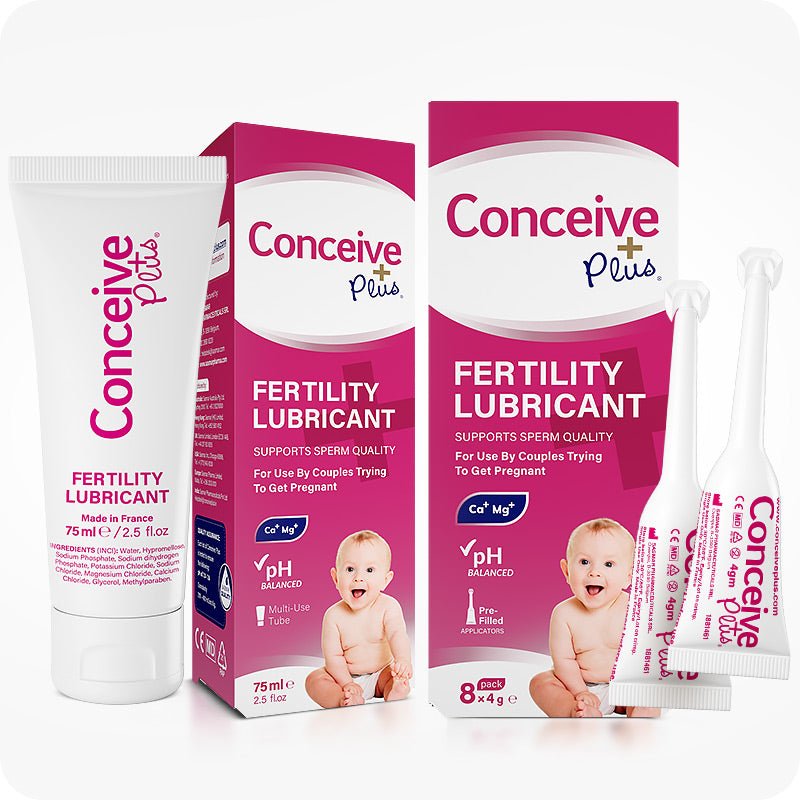
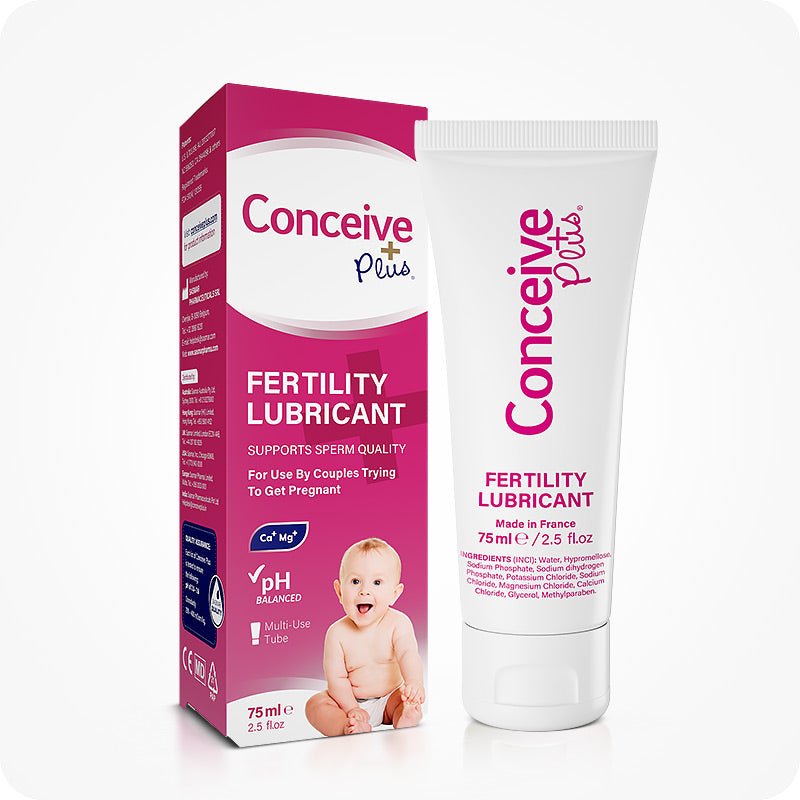
Conceive Plus Fertility Lubricant: A TGA-compatible, sperm-safe lubricant formulated to match the pH and osmolality of fertile cervical mucus. Essential for couples using lubrication during the fertile window, as standard lubricants can significantly reduce sperm motility.
Because sperm take approximately 72–90 days to develop fully, it's recommended to begin supplementation at least 3 months before actively trying to conceive. This gives any nutritional interventions time to positively influence sperm that will be present during your target conception period.
Frequently Asked Questions About Male Fertility
Q: How often should I have sex when we're trying to conceive?
A: Aim for intercourse every 1–2 days during your partner's fertile window (the 5 days before ovulation and the day of ovulation). Ejaculating every 2–3 days between fertile windows maintains optimal sperm quality without depleting reserves. There's no benefit to abstaining for long periods — sperm quality actually declines with infrequent ejaculation.
Q: Can tight underwear really affect sperm count?
A: Yes, there is evidence. A 2018 study from Harvard Medical School found men who wore boxer shorts had 25% higher sperm concentration and 33% higher total sperm count than men wearing tight-fitting underwear. Scrotal temperature was the proposed mechanism.
Q: How long does it take for sperm quality to improve after making lifestyle changes?
A: Spermatogenesis (sperm production) takes approximately 64–74 days. After lifestyle changes or starting supplementation, allow at least 3 months before expecting significant improvements in semen analysis results. This is also why a single "bad" semen analysis doesn't necessarily reflect permanent fertility status.
Q: Is there a link between mobile phone use and sperm quality?
A: Some studies have found associations between carrying a mobile phone in a trouser pocket and reduced sperm motility, possibly due to radiofrequency electromagnetic radiation. The evidence is not definitive, but as a precaution, carrying your phone in a bag or breast pocket rather than your trouser pocket is reasonable.
Q: Does marijuana use affect sperm?
A: Yes. Studies have consistently found that regular cannabis use is associated with reduced sperm count, impaired motility, and morphological abnormalities. The endocannabinoid system plays a role in spermatogenesis, and THC (tetrahydrocannabinol) disrupts this system. Abstaining from cannabis use when trying to conceive is strongly advised.
Q: Can varicoceles be treated?
A: Yes. Varicoceles can be corrected surgically through varicocelectomy or via a non-surgical procedure called percutaneous embolisation. Multiple meta-analyses have shown that varicocele repair in men with clinical varicocele and abnormal semen parameters leads to significant improvements in sperm count, motility, and pregnancy rates. Discuss with a urologist or andrologist whether treatment is appropriate for you.
Q: Should I get tested even if I'm young and healthy?
A: Being young and apparently healthy doesn't guarantee normal sperm parameters. Male factor infertility affects men of all ages and fitness levels. If you've been trying to conceive for more than 6 months without success, it's prudent for both partners to be evaluated simultaneously rather than assuming the issue lies with the female partner.
Q: Are there any foods that dramatically lower sperm count?
A: Research suggests that high consumption of processed meats (bacon, sausages, salami), full-fat dairy, alcohol, and foods high in trans fats is associated with lower sperm quality. Similarly, very high soy consumption has theoretical concerns due to phytoestrogen content, though evidence in humans is mixed. A balanced, whole-food diet is the most evidence-supported approach.
Taking Charge of Your Fertility Health
Male fertility is not a passive process ��� it's actively influenced by the choices you make every day. The good news for Australian men is that many of the factors that affect sperm health are modifiable. By making targeted lifestyle changes, addressing nutritional gaps, minimising harmful exposures, and seeking timely medical assessment when needed, you can meaningfully improve your sperm health and your contribution to conception.
Conceive Plus Men's Fertility Support products are designed to complement these efforts — providing clinically informed nutritional support that addresses the key mechanisms underlying sperm quality. Combined with the guidance of a qualified Australian fertility specialist, you have every reason to approach your conception journey with confidence.
This article is for general informational purposes only and does not constitute medical advice. If you have concerns about your fertility, consult a qualified healthcare professional. In Australia, speak to your GP for a referral to an andrologist or reproductive medicine specialist. Fertility assessment is available through Medicare-rebated pathology services.
Trusted by Couples in Over 70 Countries
Support Your Fertility Journey Today
From lubricants to supplements, Conceive Plus offers a scientifically backed range designed to support both partners.
Shop the Full Range →